Curses & Curse Energy
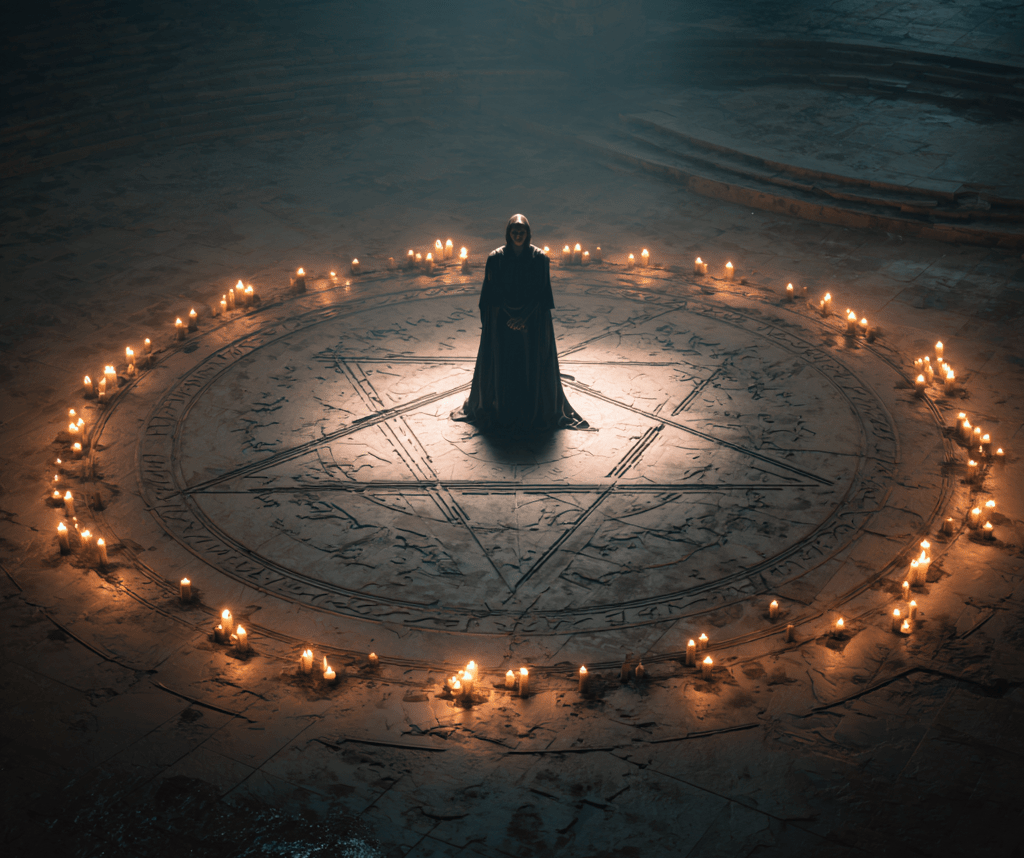
“A curse is a stream of negative energy sent with negative intent to a person. We find these negative streams and clear them as simple as that.”
Spirit Guide CHEN Tweet
Clearing Curses Working with Spirit Guide "Chen"
Curse energy is recognised not as superstition, but as a tangible frequency distortion, a directed intention or energetic imprint that interferes with a person’s natural vibration, sovereignty, and wellbeing.
Curses can be inherited through ancestral lines, created through emotional projection, or consciously placed by others.
Regardless of origin, the energetic signature of a curse is detectable within the subtle fields of consciousness and, with precision and compassion, can be safely removed.
When working with Spirit Guide Chen, the process is conducted with the highest respect for Divine Law and the sovereignty of all souls involved. Each case begins with permission from the Higher Self of the person being assisted, ensuring that all work is aligned with their spiritual path and karmic readiness for release. Once that consent is received, Chen assembles his team of specialist spirit physicians and technicians, highly advanced intelligences working from higher dimensions of Light.
The clearing begins with a frequency assessment of the individual’s energetic field their physical, emotional, mental, and spiritual layers. Chen identifies where the curse frequency is anchored: whether within the aura, chakras, bloodline memory, etheric implants, or external energy cords. Once located, his team initiates a vibrational disconnection, dissolving the energetic pathways that feed or sustain the curse.
Through the trance connection with Andy, Chen communicates the origins and nature of the interference, whether ancestral, karmic, or externally projected and then applies a series of frequency adjustments to neutralise and transmute the residue back into pure Light. During this process, any entities or thought forms that were empowered by the curse are compassionately removed and escorted to the Light for healing.
After the release, a field sealing and recalibration is performed. Chen reinforces the auric structure, restores balance to the meridian and chakra systems, and stabilises the client’s vibration to prevent reattachment. The team then installs Light matrices protective energetic frameworks that resonate with the person’s own Higher Self signature, ensuring ongoing alignment and resilience.
This work is deeply transformative. Clients often report an immediate sense of lightness, clarity, and emotional calm, as if a long-held weight has lifted. Over the following days, energy continues to integrate, allowing the person’s natural vitality and soul frequency to expand into the cleared space.
A curse, also known as an imprecation, malediction, execration, malison, anathema, or commination, is an expressed intention that harm, adversity, or misfortune should affect a person, group, place, or object.
In many traditions, a curse is believed to be made effective through supernatural or spiritual forces, such as gods, spirits, natural energies, or non-physical entities. In magical contexts, a curse may take the form of a spell, commonly referred to as a hex or jinx.
Within belief systems that acknowledge spiritual causation, the curse itself, often combined with ritual action or focused intention, is considered to carry causative power, meaning it is believed to directly influence events or outcomes. The process of neutralising a curse is typically known as removal or breaking and is often thought to require specific prayers, rituals, or ceremonial practices.
The study of curses forms a significant part of folk religion, folklore, and magical traditions worldwide. Anthropological research shows that the deliberate use of curses has been present in nearly every culture, often accompanied by corresponding healing or protective rites.
Different cultures have developed their own names and expressions for curses. For example, African American hoodoo traditions include concepts such as jinx, crossed conditions, and foot-track magic, where cursed objects are placed in a person’s path and activated when stepped upon.
In Middle Eastern and Mediterranean cultures, belief in the evil eye is widespread. While often associated with envy, it is sometimes believed to result from deliberate harmful intent. Protective charms, commonly dark blue glass amulets resembling an eye, are traditionally used to ward against this influence.
In Germanic traditions, including those of the Pennsylvania Dutch, the practice of hexing (from hexen, meaning witchcraft) was once commonly feared. Folklore tells of “stable witches” who were believed capable of causing livestock to fall ill or produce no milk.
At its core, a curse represents an attempt to cause harm through non-physical means, making it the opposite of a blessing. In some religious contexts, this may take the form of an imprecatory prayer, calling upon a higher power to bring about misfortune.
Curses may be enacted through ritual actions believed to directly cause harm, such as the use of poppets (e.g., voodoo dolls), or through invocation, where a deity, spirit, demon, or deceased entity is called upon to act on the practitioner’s behalf. Those who deliberately practise such acts have historically been labelled witches or sorcerers.
Because of its association with harm and misfortune, the term curse has also influenced language. Early “curse words” were often literal invocations (such as “God damn”), whereas modern usage largely refers to words considered socially offensive rather than spiritually potent.
Historically, one of the most recognised attributes of a witch was the ability to cast spells. A spell, which may function as a curse, refers to the method by which magical intent is enacted. Spells have traditionally included spoken formulas, written symbols, ritual actions, or combinations thereof.
Common spell-casting methods across cultures have included the use of runes or sigils, ritual manipulation of effigies, spoken incantations, ceremonial movements, magical herbs used as amulets or potions, and divinatory practices such as scrying. These methods reflect humanity’s long-standing belief in the ability of focused intention and ritual to influence unseen forces.